
Learning for life. Building confidence. Growing independence.
Brighter Futures Foundation operates the Brighter Futures Life Skills Hub: a structured, community-based programme supporting adults with learning disabilities and additional needs to develop practical skills, communication, confidence, wellbeing and greater participation in everyday life.

Life skills are not learned from a worksheet alone.
Everyday independence develops through experience: making choices, following routines, preparing food, looking after belongings, communicating needs, handling money, travelling safely, using technology and taking part in community life.
The Brighter Futures Life Skills Hub creates structured opportunities to learn and practise those skills. Sessions combine direct teaching, visual and practical approaches, repetition, community experiences and personalised support. The aim is not to make everyone independent in the same way; it is to help each person make meaningful progress from their own starting point.
Participants may have different communication styles, sensory profiles and support needs. Activities are therefore adapted in content, pace, prompting and level of staff support.
Adults aged 18+
The Hub supports adults with learning disabilities and additional needs. An EHCP is not required to make an enquiry. Suitability, individual goals and support requirements should be discussed before a placement is agreed.
For professionals: use our referral information to start a conversation without sending unnecessary sensitive data through a public website.
Seven core Life Skills modules.
The modules provide structure, but learning is personalised. Goals can be broken down into smaller steps and revisited across different environments.
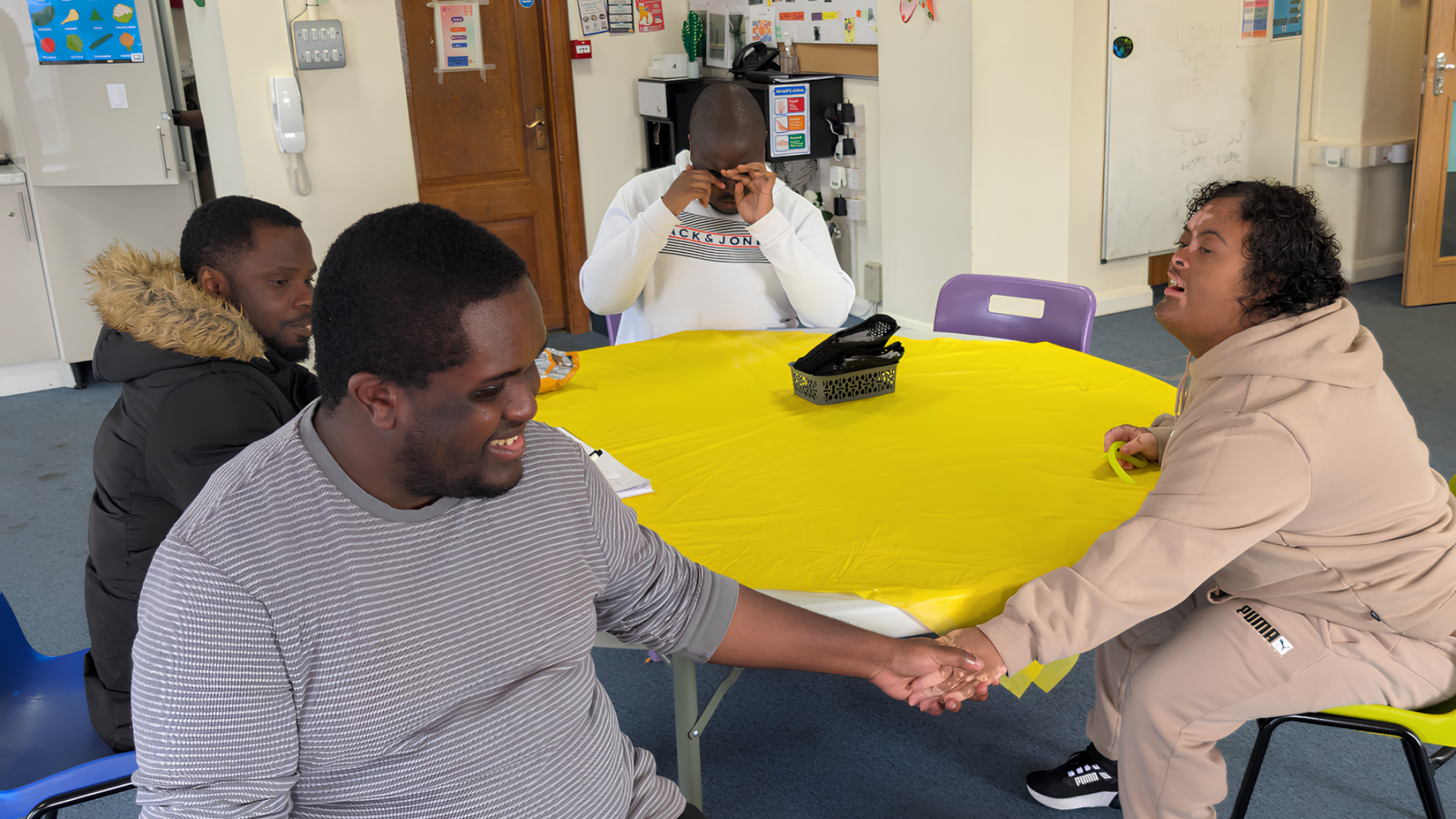
Cooking & Nutrition
Preparing simple meals, food safety, recognising ingredients, following sequences, making healthier choices and taking a more active role in mealtimes.
Money Management
Recognising money, understanding prices, making choices, shopping, paying for items and developing confidence with everyday transactions.
Personal Care & Hygiene
Building routines around personal care, grooming, clothing, self-presentation and greater participation in looking after oneself.
Cleaning & Laundry
Sorting, cleaning, caring for clothing and belongings, maintaining living spaces and developing responsibility for everyday household tasks.
Travel Training
Road safety, journey awareness, public transport, asking for help, community navigation and confidence completing familiar journeys with appropriate support.
Communication
Expressing preferences, making choices, recognising information, functional communication, social interaction and approaches adapted to how each person communicates.
Digital Skills
Using everyday technology, devices and digital tools in ways that support communication, participation, safety and independence.
Across every module
Confidence, choice, communication, social development, problem-solving, participation and independence are embedded throughout the programme.
A broader week of learning and participation.
Our current timetable also uses health, creativity, nature, sensory work and enrichment to support wider personal development.
Health & Physical Wellbeing
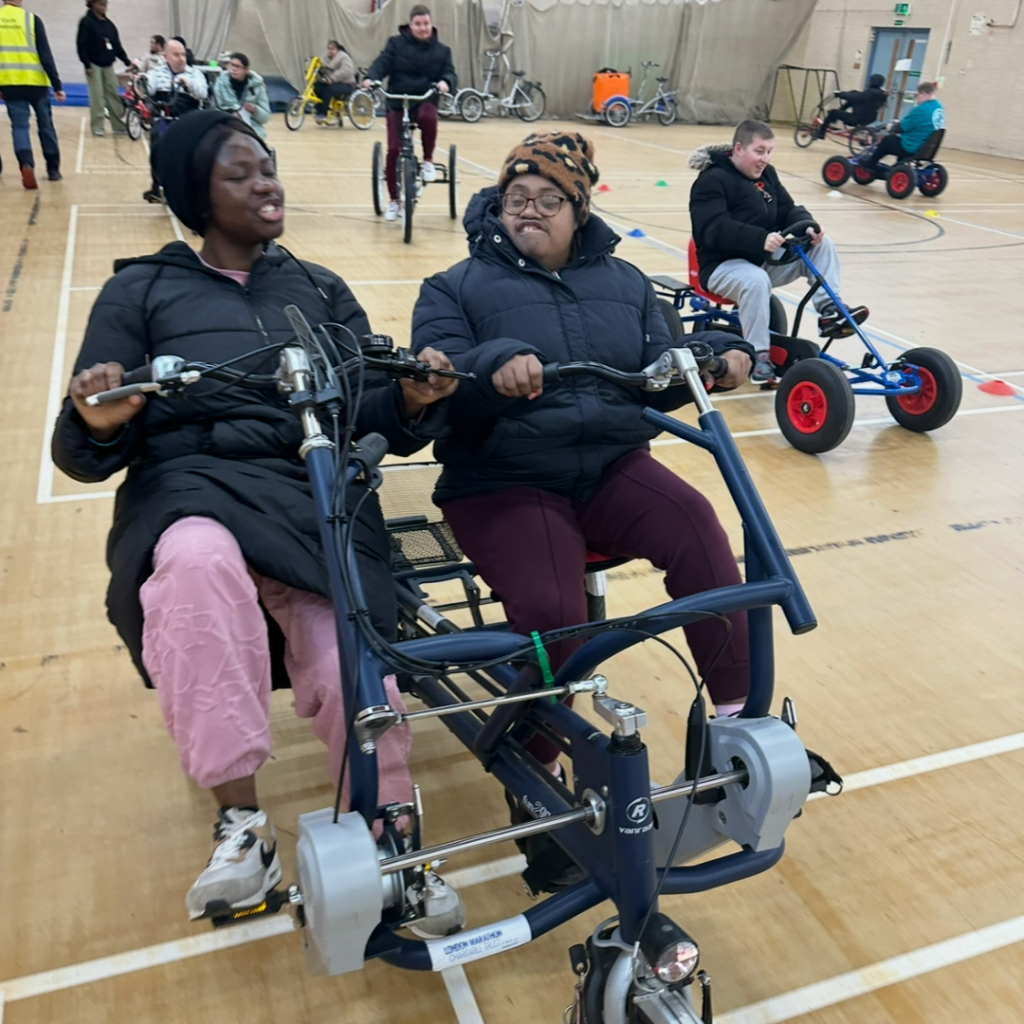
Daily exercise and activities such as cycling and tennis provide opportunities to build routine, physical confidence, coordination, enjoyment and community participation.
Creative Expression
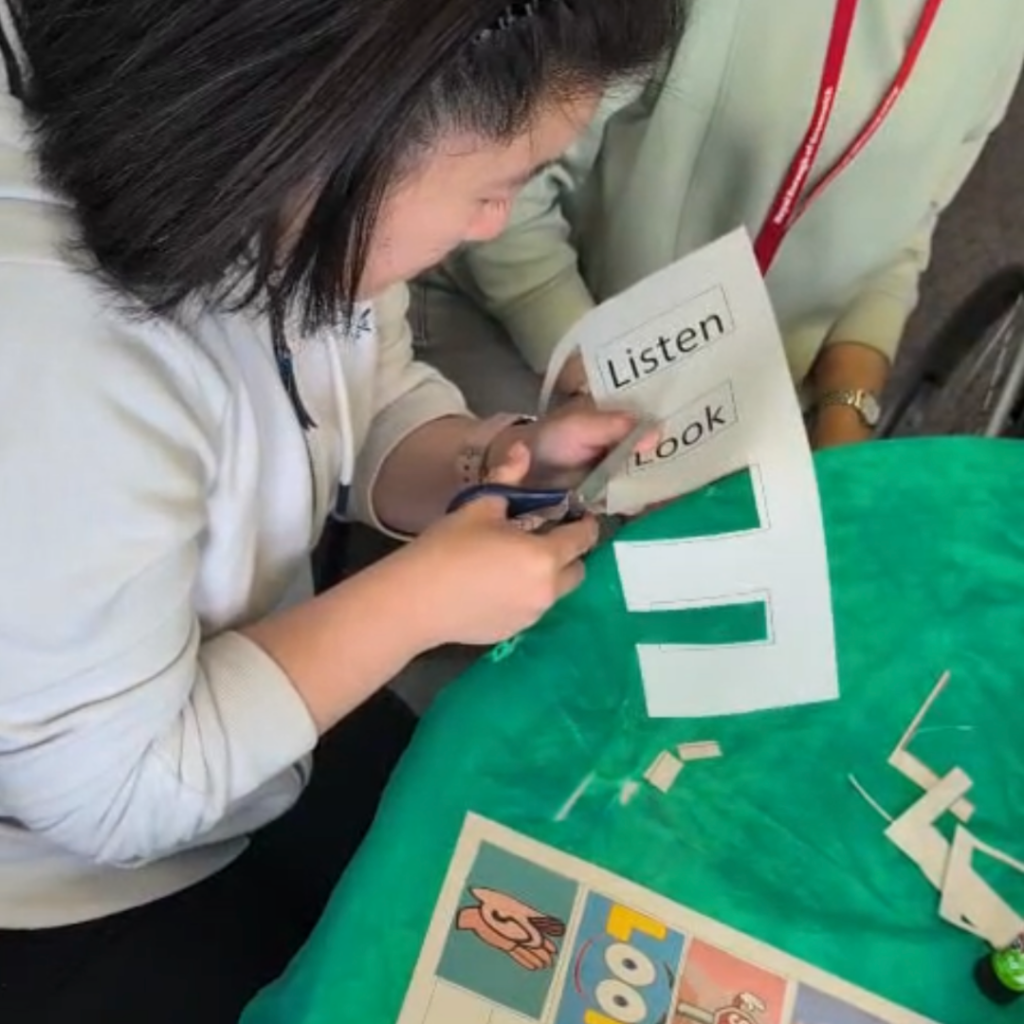
Music, dance, arts and creative activities support expression, confidence, engagement, communication and enjoyment.
Sensory & Specialist Support
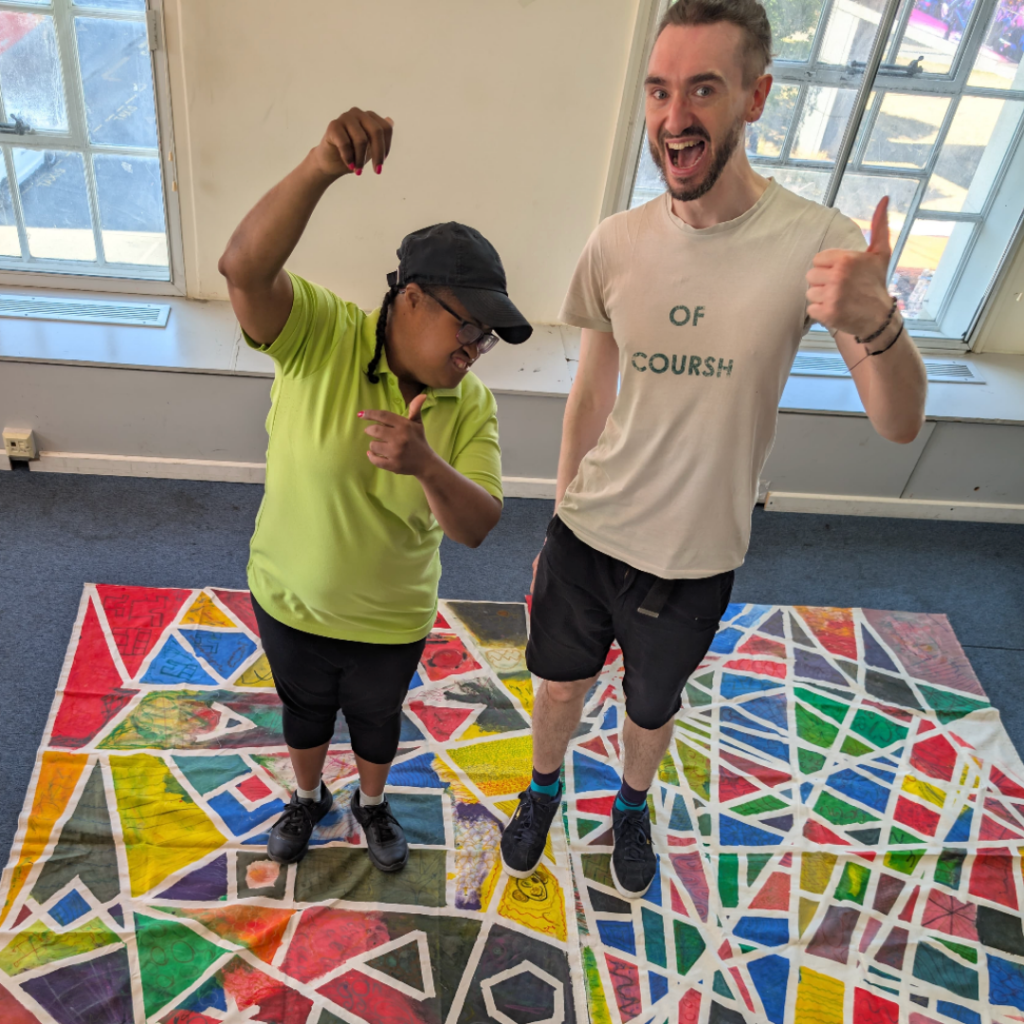
For participants who benefit from sensory approaches or specialist communication input, activities can be structured around regulation, engagement and meaningful participation.
Gardening & Nature
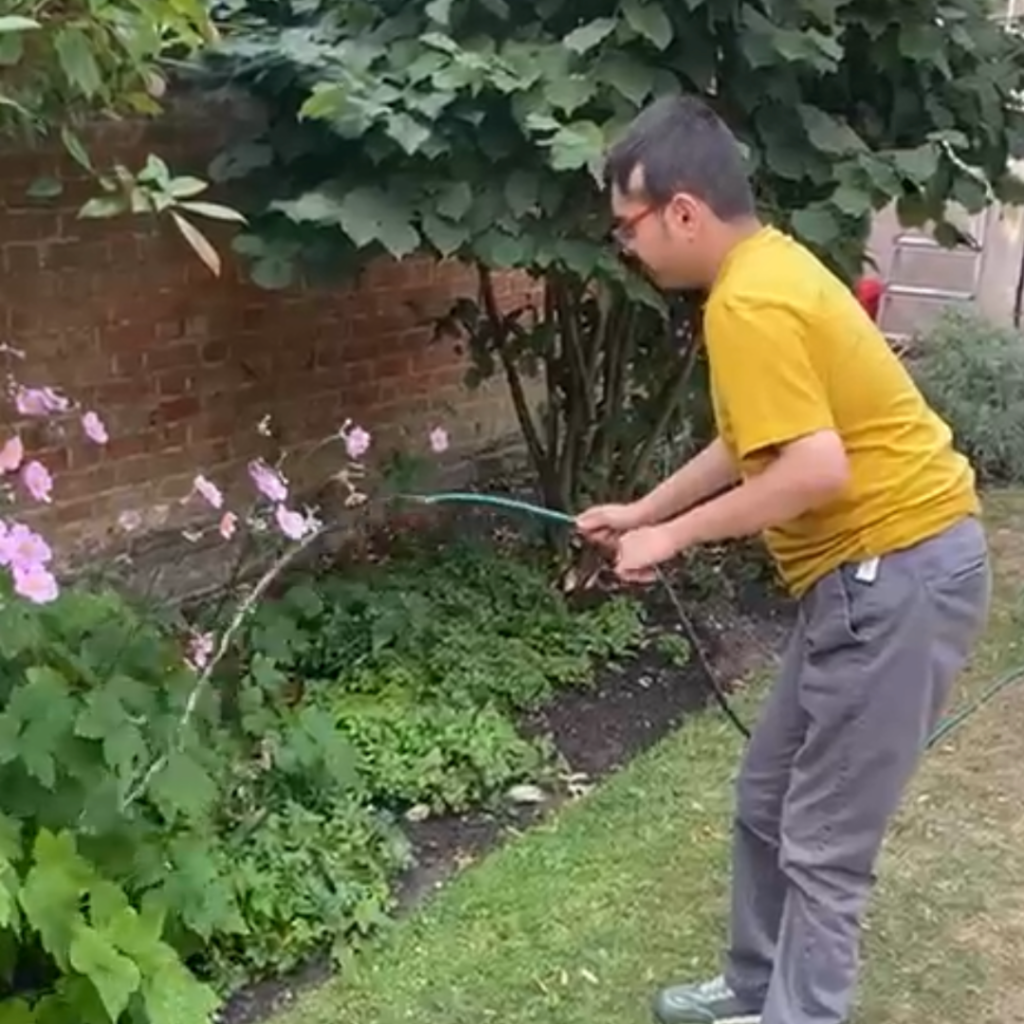
Gardening provides practical opportunities to follow routines, care for living things, work with others and experience the wellbeing benefits of outdoor activity.
Enrichment

Arts and crafts, puzzles and games are used purposefully to support choice, concentration, social interaction, problem-solving and enjoyment.
Community Access

Learning extends into real community settings through travel, sport, leisure, shopping and other appropriate experiences.
Structure, variety and repeated opportunities to practise.
This visitor-friendly overview reflects the current programme. Individual timetables may vary according to support needs, goals, availability and community activities.
Monday
Exercise
Gardening
Independent living: hygiene, personal care & laundry
Tuesday
Exercise
Communication
Cooking & nutrition
Wednesday
Exercise
Music & dance / creative arts
Creative expression or digital skills
Thursday
Exercise
Travel training or sensory / communication work
Money management
Friday
Exercise
Cycling, tennis or community sport
Independent living: hygiene, personal care & laundry
Breakfast/settling-in, lunch, enrichment, clear-down and staff recording/debrief form part of the operational day. The public website should focus on the participant experience rather than internal staffing blocks.
From introduction to greater independence.
A consistent progression framework helps turn activities into purposeful learning. The level reached will differ by person and by skill.
1Introduce
Experience the task, object, routine or environment. Staff model, explain or demonstrate using communication approaches appropriate to the person.
2Supported
Participate with prompts, modelling, visual support, physical assistance or structured staff guidance as appropriate.
3Practising
Repeat the skill with reduced support, greater familiarity and more opportunities to make choices or complete steps.
4Independent
Complete the agreed skill or elements of it with minimal or no direct staff prompting, where this is a realistic and meaningful outcome.
A task becomes a learning journey.
Cooking journey
Introduce: explore ingredients and utensils.
Supported: complete steps with prompts.
Practising: follow a visual/simple sequence with less support.
Outcome: take greater responsibility for preparing part of a meal safely.
Money journey
Introduce: recognise money and prices.
Supported: make a purchase with staff guidance.
Practising: choose, pay and check the transaction with reduced prompting.
Outcome: greater confidence making familiar purchases.
Travel journey
Introduce: learn route and safety cues.
Supported: travel with active staff guidance.
Practising: identify stops, crossings or next steps with reduced prompts.
Outcome: complete agreed elements of a familiar journey more confidently.
Support is adapted, not standardised.
Some participants may benefit from highly structured activities, visual or sensory approaches, repetition and closer staff support. Others may be working on more complex community access, travel, money, digital or independent-living goals. We do not need to label those differences publicly as ‘Group A’ or ‘Group B’. What matters is that the programme is responsive to the person.
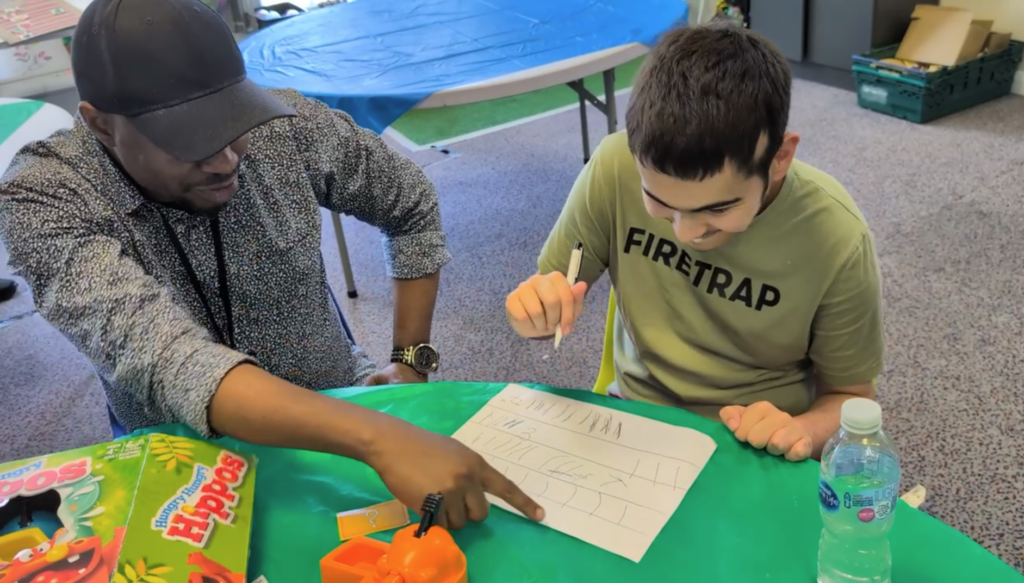
Communication
Use the person’s established communication methods and adapt information so choices and participation are meaningful.
Sensory needs
Adjust pace, environment, activities and regulation opportunities where sensory needs affect engagement.
Level of support
Break tasks into achievable steps and vary prompts or assistance as the person becomes more familiar and confident.
Skills need somewhere meaningful to be practised.
At the Hub
Structured learning, communication, cooking, money, digital activity, personal development and enrichment.
Independent Living Training Room
A realistic home environment for household routines, visual prompts and assistive technology.
Titmuss Garden
Horticulture, responsibility, teamwork, sensory engagement and wellbeing through nature.
In the community
Travel, shopping, sport, leisure and everyday environments where skills can be transferred into real life.
We are building a stronger evidence culture.
Each person’s meaningful outcomes should be connected to a starting point, agreed goals, observed evidence and regular review. Over time, this will allow the Foundation to report not simply how many sessions were delivered, but where participants made progress and where support needs changed.
Evidence can include structured observations, photographs or video where consent permits, task records, professional input and family feedback. The method should remain proportionate and person-centred: documentation exists to improve support and demonstrate progress, not to turn everyday life into paperwork.
Website outcome stories
Real participant stories should follow a consistent format: starting point → goal → support/approach → progression → outcome → what happens next.
Do not publish identifiable stories or media without appropriate consent.
Considering the Hub for someone you support?
We welcome initial conversations from adults, families, carers and professionals. An enquiry is an opportunity to understand the person’s interests, outcomes, communication and support needs and to consider whether the Hub is likely to be a suitable environment.
The website should not ask families to upload detailed health records or confidential assessments at first contact. Sensitive information should move into an appropriate secure process only when needed.
Before a placement
- Discuss goals and what the person wants to achieve.
- Understand communication, sensory and support needs.
- Consider risks and reasonable adjustments.
- Agree attendance pattern and funding route.
- Set initial outcomes and a review approach.
Experienced support, purposeful activity.
The legacy Brighter Futures Project site emphasised trained staff and specialist activity leaders. The new site should keep that reassurance but focus less on a long staff directory and more on capability: learning disability and autism awareness, dignity, health and safety, communication, person-centred support and the competence relevant to each activity.
Final publication should introduce the Hub Manager, Team Lead and key specialist contributors with current, verified biographies and professional roles.
